How Ice Dams Form and What They Mean for Your Roof

November 24, 2026

Winter brings scenic snow-covered landscapes, but freezing winter temperatures can also create serious headaches for homeowners across cold regions. When thick layers of snow blanket your shingles, hidden warmth escaping from your living quarters triggers a dangerous chain reaction. Ice dams form silently along vulnerable rooflines, blocking melted snow from draining safely away into clean downspouts. If you do not catch these icy ridges early, backed-up water quickly finds its way beneath your shingles and into your home.


Understanding why ice dams develop is the first essential step toward protecting your property from expensive winter catastrophes. Many homeowners assume cold weather alone creates these ridges, but uneven attic temperatures and poor roof ventilation are the true culprits. When trapped water creeps beneath shingles, it rots wooden supports, ruins expensive insulation, and stains interior living room ceilings. Learning to identify warning signs helps you take proactive action before minor weather issues turn into costly structural emergencies.


Understanding The Formation Of Ice Dams

The physical process behind an ice dam starts with warm air escaping from your heated living space into an uninsulated attic. As that warm air rises, it warms the upper roof deck, melting the bottom snow layer even in freezing outdoor weather. This liquid runoff trickles down under the snowpack until reaching colder eaves, gutters, and overhangs. Because roof edges lack heated living space beneath them, freezing outdoor air instantly turns that runoff into thick, solid ice.


Over several snowy days, repeated freeze-thaw cycles create a thick barrier of ice that traps subsequent runoff behind it. Water pools into a miniature reservoir that cannot drain, forcing moisture backward beneath shingle layers and roof underlayment. According to This Old House's 2026 roofing survey, nearly 57% of homeowners described their roof replacement as urgent or an emergency, while only 7% described it as preventative. Consulting a seasoned roofing contractor helps you address these thermal imbalances early, preventing frozen backups from destroying your home.


Evaluating Weather And Temperature Triggers

Climatic patterns play an enormous role in determining how quickly and frequently ice dams develop on residential homes. Regions experiencing frequent heavy snowstorms followed by sunny afternoons and sub-freezing nights are especially vulnerable to severe ice buildup. Bright daytime sunlight warms dark shingles and melts snow, while sudden evening temperature drops freeze runoff along chilly metal gutters. This ongoing freeze-thaw cycle adds dense ice layers, creating heavy ridges that stress your entire roof perimeter throughout winter.


Wind patterns and high winter humidity can also worsen ice troubles around your exterior eaves and fascia boards. Strong wind gusts pull heat from roof peaks while driving powdery snow into roof valleys and behind decorative dormers. Shaded roof sections facing north rarely receive natural sunlight, keeping their lower eaves far colder than sunny south-facing slopes. Having an experienced roofing contractor assess your local microclimate ensures attic insulation and intake vents are calibrated to withstand harsh winter weather.


Pinpointing Common Vulnerable Roof Locations

Ice dams do not develop randomly across shingles; they consistently target specific architectural areas where temperatures shift abruptly. The most common trouble spot is along roof eaves and gutters, where overhangs extend past heated exterior walls. Roof valleys, where two sloped planes meet to channel heavy runoff, also accumulate deep drifts that melt unevenly and refreeze into stubborn blocks. When valleys freeze solid, rushing meltwater quickly pushes underneath valley flashing and enters the attic space.


Secondary trouble areas include perimeters around masonry chimneys, skylights, and plumbing exhaust pipes penetrating your roofline. Warm air frequently leaks around unsealed attic openings, warming surrounding roof decking and melting snow out of season. Clogged gutters filled with autumn leaves also trap cold water along the roofline, accelerating freezing during the first winter freeze. An inspection from a reliable roofing contractor pinpoints these vulnerable junctions, allowing you to install protective waterproof membranes before winter arrives.


Facing Destructive Interior Water Leaks

The most immediate and stressful consequence of a frozen dam is water leaking directly into finished living spaces. Because asphalt shingles are designed to shed water running downward, they offer zero defense against standing water backing up uphill. As trapped meltwater rises behind an ice barrier, it seeps beneath shingle edges, penetrates felt paper, and soaks into plywood decking. From there, gravity pulls moisture through attic floorboards and straight down into your finished drywall ceilings.


Homeowners often discover these hidden leaks when unsightly brown stains, blistered paint, or active drips appear in upper bedrooms. Water traveling through wall cavities saturates drywall, ruins baseboards, and can short out electrical wiring behind switch plates, creating dangerous household fire hazards. The longer moisture remains trapped inside walls, the costlier home restoration becomes for your family. Calling a certified roofing contractor at the first sign of an interior drip prevents hidden moisture from spreading throughout your home.


Experiencing Severe Hidden Structural Damage

Beyond creating messy interior leaks, heavy ice formations pose severe structural hazards to your overall roofing framework. Ice weighs roughly sixty pounds per cubic foot, adding thousands of pounds of unexpected weight along your eaves. This crushing burden places immense physical stress on roof trusses, fascia boards, and exterior walls never engineered to carry solid ice blocks. Over time, that constant downward strain warps rafter tails and causes visible roofline sagging across your home.


Continuous water exposure also softens and rots wooden roof decking, destroying the solid nailing base needed to secure shingles. Softened plywood allows roofing nails to pull loose, leaving your roof vulnerable to blow-offs during high winter winds. If rot spreads into main support beams, the structural integrity of your entire roof becomes severely compromised. Hiring a skilled roofing contractor to replace deteriorated decking and reinforce damaged rafters restores your home's core stability and prevents winter collapses.


Preventing Moisture Intrusion And Mold Growth

When meltwater leaks into your attic, it quickly soaks through fiberglass and cellulose insulation, permanently destroying its ability to trap heat. Wet insulation clumps together and loses thermal resistance, allowing even more household warmth to escape into the attic space. This thermal loss creates a vicious cycle, accelerating thicker ice dams while driving up monthly winter heating bills. Replacing waterlogged insulation with fresh material is essential for restoring home energy efficiency and lowering your expenses.


Damp attic spaces also serve as ideal breeding grounds for dangerous mold and mildew spores. Within twenty-four to forty-eight hours of moisture exposure, fungi multiply rapidly across wooden framing, releasing airborne toxins that drift into living areas. These mold spores can trigger severe allergies, asthma attacks, and chronic sinus irritation for your family. Working alongside a dedicated roofing contractor allows you to improve attic ventilation and air-seal ceiling bypasses, stopping moisture problems before mold takes root.


Protecting your home from the destructive effects of winter ice dams requires a proactive approach centered on proper insulation, ventilation, and roof maintenance. Rather than waiting for water to drip through ceilings, addressing attic heat loss and clearing gutters stops ice ridges before they ever form. A balanced roof temperature keeps snow melting naturally and ensures runoff drains safely away from your foundation. Taking preventative steps today safeguards family comfort, protects your financial investment, and extends your roof's lifespan.


Whenever you notice thick icicles dangling from gutters, uneven snowmelt on your roof, or interior ceiling stains, never hesitate to seek qualified help. Professional specialists understand the science of attic airflow and know how to install durable waterproof barriers that withstand harsh winter storms. For honest assessments, high-quality repairs, and dependable winter solutions from a trusted roofing contractor, turn to the dedicated team at Pa's Construction LLC to schedule your professional consultation today.
roofing company
November 16, 2026
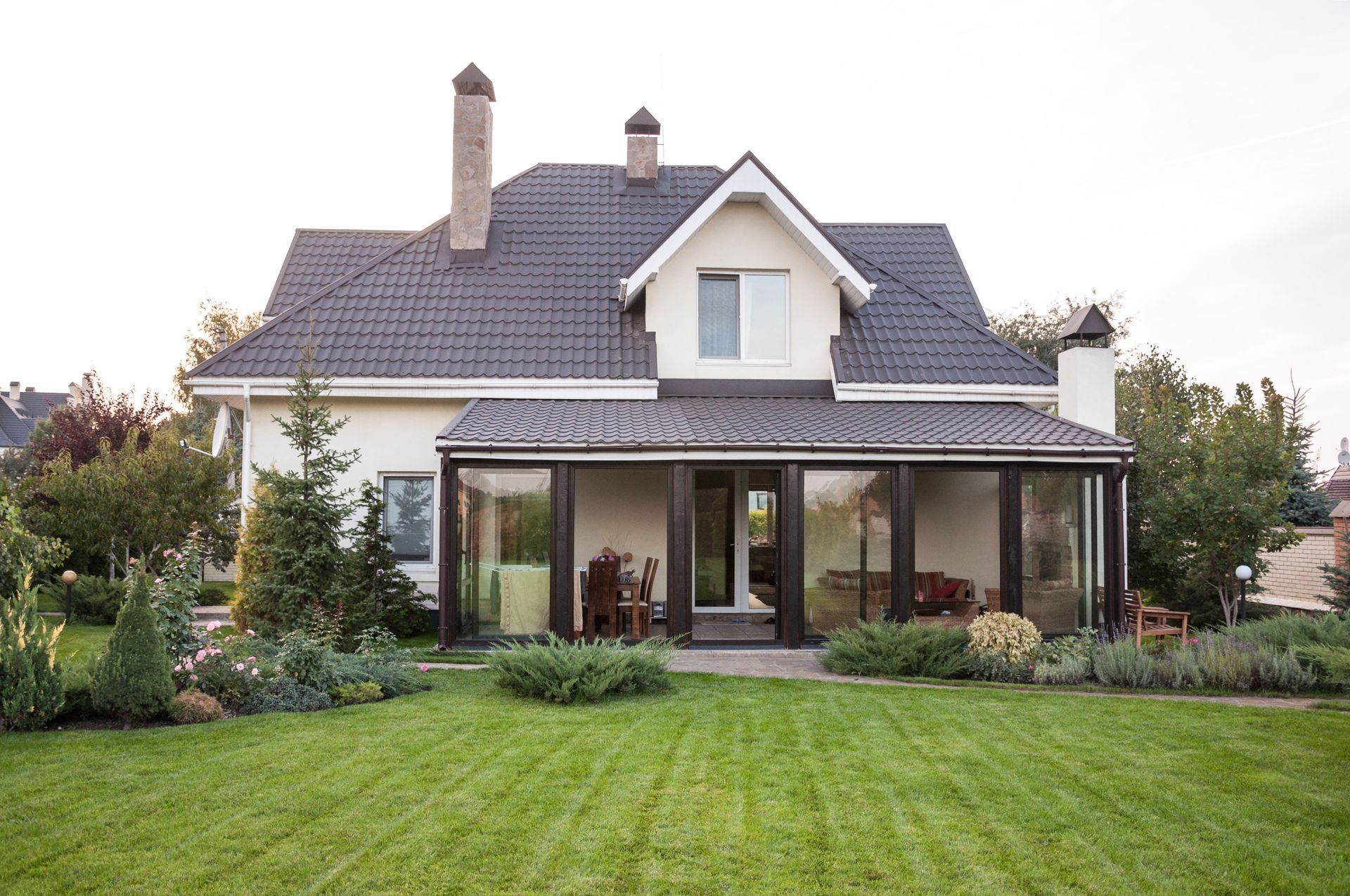
Pa's Construction LLC explains why a roofing company may recommend metal roofing for its durability, long lifespan, energy efficiency, and lasting value.
siding
November 14, 2026
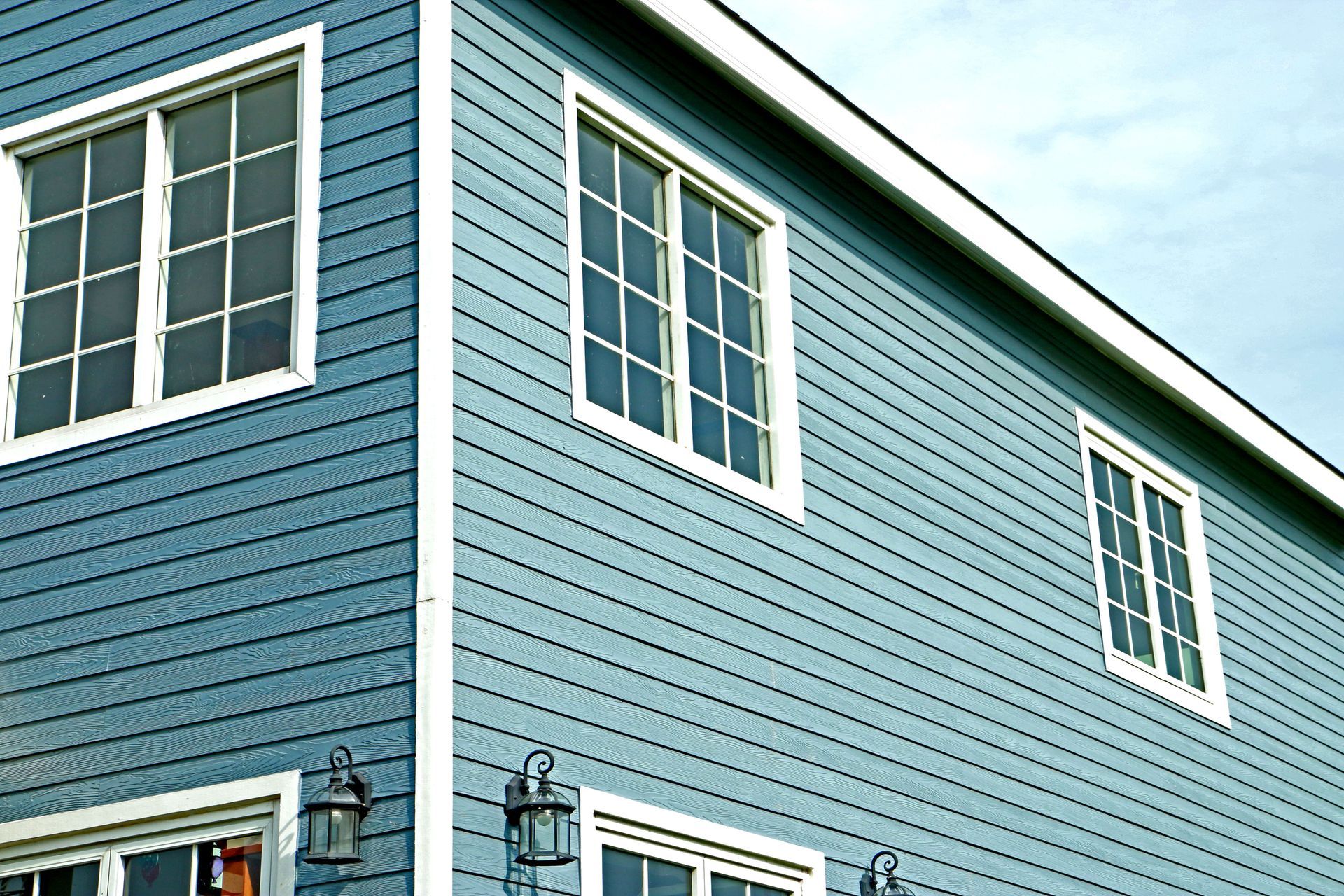
Discover how weather, moisture, and sunlight affect siding durability, and protect your home's exterior with quality materials and professional installation.
November 10, 2026
Choosing the right roofing material is one of the most important decisions homeowners can make. Your roof protects your property from harsh weather, contributes to energy efficiency, and enhances curb appeal. With numerous roofing materials available, understanding their advantages can help you make an informed investment. At Pa's Construction LLC, we understand that every home has different roofing requirements. Whether you're prioritizing affordability, durability, or appearance, selecting the right shingles can make a significant difference. Our professional roofing service helps homeowners explore suitable materials while considering their budgets, preferences, and long-term goals. Let's examine six popular roofing materials and the benefits each offers. Asphalt Shingles: Affordable and Versatile Understanding the Benefits Asphalt shingles remain a popular residential roofing material because of their affordability, versatility, and straightforward installation. Available in numerous colors and styles, they complement everything from traditional houses to modern homes. These shingles typically feature a fiberglass base coated with asphalt and protective mineral granules. Their layered construction helps protect homes against moisture, sunlight, and everyday weather exposure. Considering the Costs According to Forbes, asphalt shingles are the most cost-effective roofing option. Their relatively affordable materials and installation requirements make them appealing to homeowners working within a specific budget. Asphalt shingles generally last approximately 20 to 30 years, although weather conditions, product quality, and maintenance influence their lifespan. Our roofing service can help homeowners evaluate available options and determine which products offer appropriate protection. Evaluating the Maintenance Professional inspections help identify missing shingles, damaged flashing, and other potential concerns. Addressing these issues promptly can prevent moisture intrusion and unnecessary repair expenses. Asphalt shingles offer a practical combination of affordability, visual appeal, and dependable protection. Metal Shingles: Durable and Energy-Efficient Understanding the Benefits Metal roofing offers impressive durability and a distinctive appearance. Common materials include aluminum, steel, copper, and zinc, each providing different advantages. Steel offers strength and affordability, while aluminum provides excellent corrosion resistance. Copper develops a recognizable patina over time, creating an attractive architectural feature. Metal shingles are available in various finishes, allowing homeowners to achieve traditional or contemporary designs. Considering the Costs Metal roofing generally requires a larger initial investment than asphalt shingles. However, its extended lifespan can make it worthwhile for homeowners planning to remain in their properties for many years. According to This Old House, metal roofing can last approximately 40 to 70 years. Actual longevity depends on material selection, installation quality, environmental exposure, and maintenance. Metal roofs may also feature reflective coatings that reduce solar heat absorption, potentially improving cooling efficiency. Our roofing service helps homeowners understand how these long-term advantages compare with upfront installation expenses. Evaluating the Maintenance Although metal roofing typically requires relatively little maintenance, professional inspections remain important. Contractors should examine fasteners, protective coatings, flashing, and potential corrosion. Proper installation is particularly important because metal roofing systems require specialized techniques to accommodate temperature changes and maintain weather resistance. Wood Shingles: Natural and Traditional Understanding the Benefits Wood shingles and shakes provide a distinctive appearance that complements rustic, traditional, and historic homes. Cedar is particularly popular because of its natural beauty and resistance to certain forms of deterioration. Wood shingles generally have a smooth, uniform appearance, while shakes feature a more textured finish. Both options develop character as they age. For homeowners seeking natural materials, wood roofing can create an appealing connection between architectural design and the surrounding landscape. Considering the Costs Wood roofing generally costs more than standard asphalt shingles. Pricing depends on wood species, product quality, roof complexity, and installation requirements. Maintenance expenses should also factor into the overall investment. Wood can experience moisture damage, insect activity, or deterioration when exposed to unfavorable conditions. Our roofing service can help homeowners compare wood roofing with alternative materials that provide similar appearances with different maintenance requirements. Evaluating the Maintenance Wood roofing requires periodic professional inspections and appropriate maintenance to preserve its condition. Moisture exposure, moss growth, and damaged shingles should receive timely attention. Fire-resistance requirements must also be considered because building codes may restrict untreated wood roofing in certain locations. Professional guidance helps homeowners understand whether wood shingles are appropriate for their climate and property. Slate Shingles: Elegant and Long-Lasting Understanding the Benefits Slate roofing offers a sophisticated appearance and exceptional longevity. Manufactured from natural stone, slate shingles feature distinctive textures and subtle color variations. Available shades include gray, black, green, and purple, allowing homeowners to complement different architectural styles. Slate is also naturally resistant to fire and many environmental conditions, making it an attractive premium roofing material. Considering the Costs Slate typically requires a substantially higher upfront investment than asphalt or metal roofing. However, properly installed slate roofs can last 75 to 100 years or longer under suitable conditions. The material's considerable weight may require additional structural support. Before recommending slate, roofing professionals must evaluate whether the building can safely accommodate the load. At Pa's Construction LLC, we believe homeowners should understand both the advantages and practical considerations before selecting premium materials. Evaluating the Maintenance Although slate is durable, individual tiles can crack or break under concentrated pressure or impact. Professional inspections can identify damaged sections and deteriorating flashing before problems worsen. A qualified roofing service is especially important for slate because improper handling or installation can damage tiles and compromise the roofing system. Tile Shingles: Stylish and Weather-Resistant Understanding the Benefits Clay and concrete tiles offer distinctive architectural appeal, particularly for Mediterranean, Spanish, and Southwestern-style homes. Clay tiles provide lasting color and strong resistance to heat, while concrete tiles offer design versatility and a variety of available finishes. Both materials can provide decades of protection when properly installed and maintained. Considering the Costs Tile roofing generally costs more than asphalt shingles because of material expenses and specialized installation requirements. However, many tile roofing systems can last 50 years or longer, depending on product quality and environmental conditions. Roof structure is another important consideration. Clay and concrete tiles are relatively heavy, so a professional assessment may be necessary before installation. Our roofing service helps homeowners consider structural requirements alongside appearance, performance, and overall project expenses. Evaluating the Maintenance Tile roofs require periodic inspections to identify cracked, displaced, or broken tiles. Although individual tiles are durable, impacts and improper foot traffic can cause damage. The underlayment beneath the tiles also requires attention because it plays an essential role in moisture protection. Professional maintenance helps preserve the appearance and functionality of tile roofing over time. Synthetic Composite Shingles: Modern and Adaptable Understanding the Benefits Synthetic composite shingles are engineered to replicate traditional materials such as slate, cedar, and wood shakes. Manufacturers commonly use combinations of polymers, rubber, and other materials to create lightweight products with realistic textures. These shingles provide homeowners with additional design flexibility without necessarily requiring the structural reinforcement associated with heavier natural materials. Considering the Costs Synthetic roofing prices vary considerably depending on the manufacturer, material composition, and product specifications. Some composite products cost more than asphalt shingles but less than premium natural slate. Their potential benefits include reduced weight, weather resistance, and relatively manageable maintenance requirements. Homeowners should compare warranties, expected lifespans, and manufacturer performance ratings before making a decision. A professional roofing service can assist with evaluating product suitability and installation considerations. Evaluating the Maintenance Composite shingles often require less maintenance than natural wood, although their performance varies by product. Routine professional inspections help identify damaged sections, loose components, and potential drainage concerns. Selecting reputable materials and qualified installation professionals is essential for achieving dependable long-term performance. Choosing the Right Roofing Material for Your Home Every roofing material offers different advantages. Asphalt shingles provide affordability, while metal and slate offer impressive longevity. Wood delivers natural character, tile provides architectural distinction, and synthetic composites combine modern engineering with versatile designs. The right choice depends on your budget, climate, roof structure, and personal preferences. Professional installation and ongoing maintenance are equally important for protecting your investment. At Pa's Construction LLC, we're committed to helping homeowners make informed roofing decisions. Whether you're considering replacing an aging roof or exploring materials for a new project, our roofing service can help you evaluate your options. Contact our team to discuss your roofing needs and take the next step toward dependable protection for your home.
roofing contractor
November 5, 2026
Pa's Construction LLC explains how a roofing contractor can help protect your home from storm damage through inspections, repairs, and preventive maintenance.
siding
November 4, 2026
Explore siding materials, durability, and maintenance options for your home. Contact Pa's Construction LLC to find the right fit for your exterior upgrade.
roofer
May 27, 2025
Unsure if your roof needs repairs or replacement? Read on or contact Pa's Construction, LLC to learn more about when it's time to call a reliable roofer.
roofing companies
December 12, 2024
If you're investing in a new roof, roofing companies have many materials to choose from. Take a look at this blog to see a few of your options.
roofing company
August 15, 2024
Before hiring a roofing company to install a new roof, there are a few facts you should know. Keep reading to learn more information.
commercial roofing service
March 26, 2024
As a business owner, it's important to care for your property's roof. Read on to learn a few benefits of hiring a commercial roofing service.
gutters
February 12, 2024
If your gutters aren't working properly, it's smart to call in some professionals. Here are some signs it might be time for a replacement.