
What Causes Siding to Crack, Warp, or Fade?
A home's exterior faces constant exposure to environmental conditions that gradually affect its appearance and structural integrity. Temperature changes, moisture, sunlight, and severe weather can all contribute to cracking, warping, and fading. Understanding these factors helps homeowners recognize potential problems and make informed decisions about protecting their properties.
How Temperature Changes Affect Siding
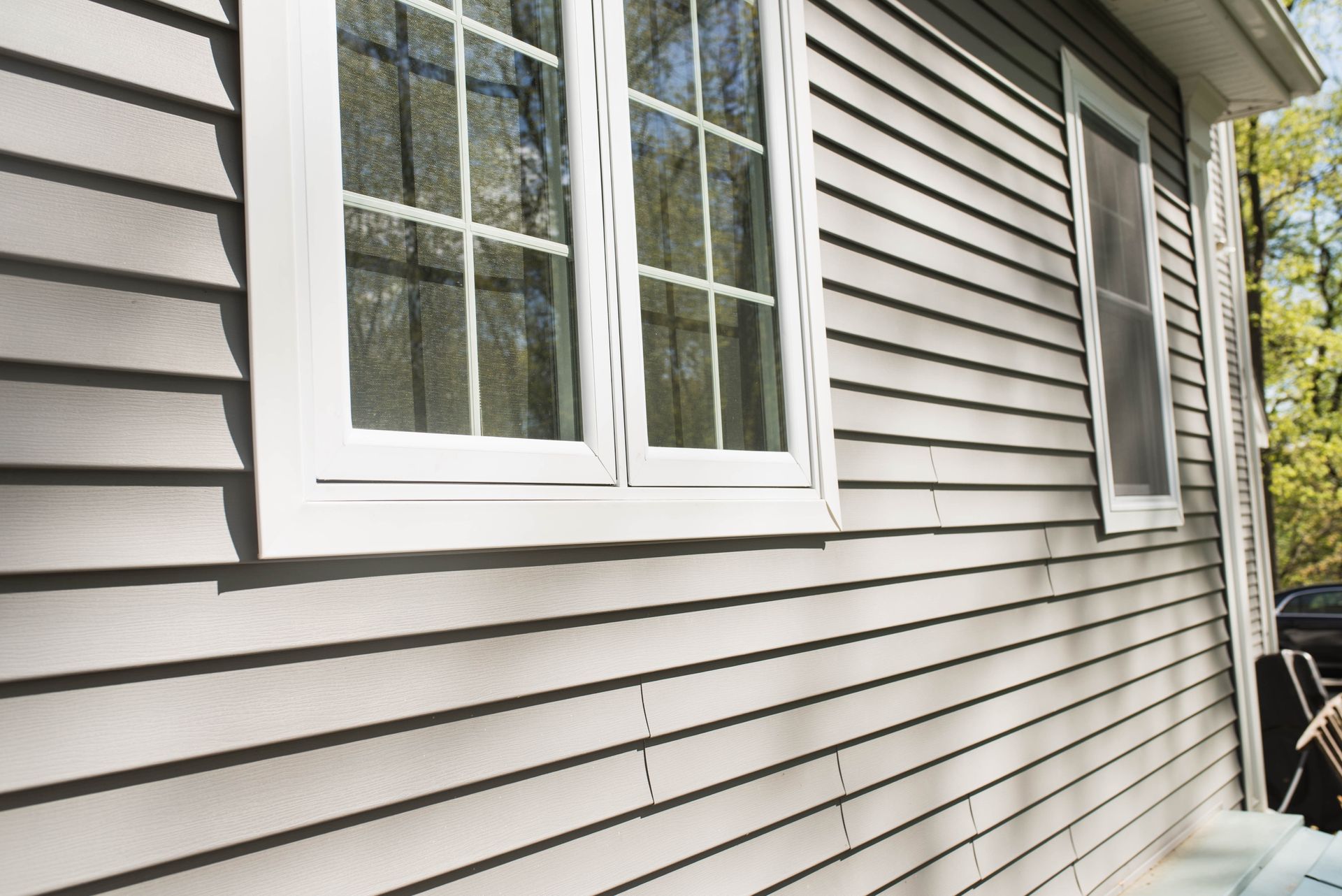
Temperature fluctuations cause exterior materials to expand and contract. Repeated movement can create stress that eventually leads to cracking, warping, or loose panels. Vinyl siding is particularly sensitive to improper installation that does not allow enough room for natural expansion and contraction.
Choosing materials suited to the local climate and ensuring professional installation can reduce these risks. Experienced contractors understand how different materials respond to seasonal temperature changes. Their knowledge helps homeowners avoid premature deterioration and unnecessary replacement costs.
How Moisture Causes Exterior Damage
Humidity and precipitation can create serious problems for exterior materials, especially wood. Excess moisture can encourage mold, mildew, and rot while weakening the materials beneath the exterior surface. Homes in areas with frequent rainfall or high humidity may experience these problems more quickly.
Effective drainage and proper moisture protection are important for preserving exterior materials. Damaged gutters, inadequate flashing, and water infiltration can contribute to deterioration. Regular professional inspections help identify these concerns before they lead to more extensive structural damage.
How Sunlight Causes Fading
Ultraviolet radiation gradually breaks down pigments and protective finishes, causing exterior colors to fade. Darker materials may show discoloration more noticeably, particularly in regions that receive intense sunlight throughout the year. Modern vinyl siding products often include improved UV resistance, although prolonged exposure can still affect their appearance.
Selecting durable materials and finishes designed for sun exposure can help preserve a home's exterior. Fiber cement and composite products also offer options for homeowners concerned about long-term color retention. Professional guidance can help determine which materials are appropriate for a property's location and exposure.
How Severe Weather Damages Siding
Strong winds, heavy rain, and storms can loosen panels, damage exterior surfaces, and allow moisture to enter vulnerable areas. According to the Vinyl Siding Institute, vinyl siding must withstand 110 MPH winds, demonstrating the importance of proper product standards and installation. Even durable materials can experience problems when installation is inadequate or existing components have deteriorated.
Metal and fiber cement are other options known for their strength and durability. However, every material has limitations, and storm damage should be evaluated promptly. Professional inspections can identify loose panels, cracks, and water infiltration that might otherwise lead to more significant repairs.
How Airborne Pollutants Affect Exterior Surfaces
Pollen, dust, and industrial pollutants can accumulate on exterior surfaces, causing discoloration and gradual wear. Wood materials may be especially vulnerable because their porous surfaces can absorb contaminants and moisture. Vinyl and fiber cement are generally easier to maintain, but they can still develop stains and surface buildup.
Environmental conditions around a property influence how quickly these contaminants accumulate. Homes near busy roads, industrial areas, or heavily landscaped properties may require more frequent exterior evaluations. Professional maintenance helps preserve the appearance and condition of siding over time.
How Material Quality Influences Durability
The quality of exterior materials directly affects how well they withstand environmental conditions. Different products offer varying levels of resistance to moisture, temperature changes, pests, and physical damage. Understanding these differences helps homeowners select materials that meet their property's needs.
How Vinyl Performs Over Time
Vinyl is a popular exterior material because it offers a combination of affordability, durability, and relatively low maintenance requirements. It comes in numerous colors and styles, making it suitable for different architectural designs. However, lower-quality products may be more vulnerable to cracking, fading, and temperature-related damage.
Modern manufacturing has improved vinyl's ability to withstand environmental stress. According to the Vinyl Siding Institute, vinyl siding must withstand 110 MPH winds, making product quality and installation important considerations. Choosing reputable materials and experienced contractors can help homeowners achieve dependable long-term performance.
How Wood Responds to Environmental Conditions
Wood provides a traditional appearance that complements many architectural styles. However, it is particularly vulnerable to moisture, insect activity, and temperature fluctuations. Without appropriate protection, wood can develop rot, warping, and other forms of deterioration.
Professional inspections help identify damage before it spreads to surrounding materials. Homeowners considering wood should understand its maintenance requirements and the importance of ongoing protection. Although it requires more attention than some alternatives, properly maintained wood can provide lasting visual appeal.
How Fiber Cement Handles Weather Exposure
Fiber cement offers a durable alternative to traditional wood products. Its composition provides resistance to pests, fire, and many environmental stressors while allowing it to replicate the appearance of natural wood. It is also suitable for a variety of climates. Despite its durability, fiber cement can develop cracks, chipped areas, and finish deterioration. Professional installation is particularly important because the material requires specialized handling and proper fastening. Regular evaluations help maintain its appearance and identify potential problems before they become extensive.
How Metal Provides Exterior Protection
Metal materials, including aluminum and steel, are valued for their strength and resistance to pests and fire. They also require relatively little maintenance compared with some traditional materials. However, corrosion and rust can develop when protective finishes become damaged, particularly in humid or coastal environments.
Metal panels can also experience dents from severe weather or physical impacts. Proper installation allows for natural expansion and contraction while reducing the likelihood of buckling. Professional assessments help ensure that exterior components remain secure and functional.
How Composite Materials Improve Performance
Composite products combine materials such as wood fibers, plastics, and cement to create durable exterior solutions. They can replicate the appearance of traditional wood while offering improved resistance to moisture, pests, and temperature changes. Their performance and maintenance requirements depend on the specific product and manufacturer.
Quality varies between manufacturers, making product selection an important consideration. Professional contractors can explain the differences between available materials and identify options appropriate for a property's needs. Regular inspections also help preserve composite surfaces and prevent minor deterioration from becoming more serious.
Why Professional Installation Matters
The quality of installation is just as important as the materials selected for a home. Even durable products can experience premature deterioration when installation techniques are incorrect. Proper alignment, fastening, ventilation, and moisture protection all contribute to long-term exterior performance.
How Improper Installation Causes Damage
Improper fastening, inadequate spacing, and poor alignment can contribute to buckling, cracking, and water infiltration. These problems may also affect manufacturer warranties and create additional expenses for homeowners. Correct installation requires an understanding of the specific requirements associated with each material.
Experienced contractors follow manufacturer specifications and applicable building codes. They understand how different products respond to environmental conditions and account for those factors during installation. Professional workmanship provides an important foundation for long-term durability.
How Ventilation Protects Exterior Materials
Proper ventilation helps control moisture within a home's exterior wall system. When airflow is inadequate, trapped moisture can contribute to mold growth, wood rot, and deterioration of surrounding building materials. These problems may eventually affect the condition of the exterior as well as the underlying structure.
A properly designed exterior system includes appropriate ventilation and moisture-management components. Professional contractors can evaluate whether existing conditions are contributing to moisture buildup. Addressing these concerns helps protect the building envelope and supports the long-term performance of exterior materials.
How Flashing and Drainage Prevent Water Damage
Flashing directs water away from vulnerable areas around windows, doors, and roof intersections. When flashing is improperly installed or deteriorated, moisture can enter behind exterior panels and damage underlying materials. Effective drainage is equally important because standing water increases the likelihood of long-term deterioration.
Maintaining a home's exterior requires quality materials, proper installation, and attention to the environmental conditions that contribute to deterioration. Whether a property needs repairs or a complete exterior update, choosing experienced professionals can make a significant difference in the results. The right approach helps protect the structure, improve curb appeal, and support long-term property value. Pa's Construction LLC can help homeowners evaluate their exterior needs and explore appropriate solutions for lasting protection. Contact Pa's Construction LLC to discuss your project, learn about available options, and take the next step toward a more durable and attractive home exterior.


Share On: